How to Budget a Small Salary (Cover Bills and Still Save)
A calm, beginner guide to budgeting a small salary so every dollar has a job, with simple steps that can help you cover bills and start saving.

Written by Ali Usman
Updated July 12, 20266 min read

How to read this guide
- Who this is for
- A calm, beginner guide to budgeting a small salary so every dollar has a job, with simple steps that can help you cover bills and start saving.
- Country / market
- General guidance; check local rules, prices, and currency
- Last substantive update
- Research type
- Calculation and desk research
- Sources checked
- Citations are placed beside the claims they support
- Key assumptions
- Worked amounts are examples, not promised savings; local costs and circumstances vary.
On this page
- The short version
- Start with the number that actually lands
- Pay for the essentials before anything optional
- Give what's left a job too
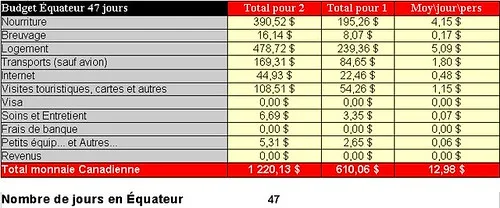
- What the numbers can look like
- Where small budgets quietly come undone
- Your one-page plan
- One honest caveat
- Questions people actually ask
- How do I budget when my salary barely covers the bills?
- Should I still save if my income is small?
- How long before a budget feels normal?
- Where to go next
A small salary makes a budget feel like a waste of time — why plan the spending of money you barely have? The truth runs the other way. The less you earn, the more a plan earns its keep, because there's almost no slack to absorb a mistake. None of this is about squeezing every penny until it hurts. It's about giving each pound a clear job, so the essentials are paid for before anything else gets a look in.
The short version
List the pay that actually lands in your account. Write down your fixed needs — rent, utilities, food, transport — and cover those first. Whatever survives gets split between a small saving and your flexible spending. Then track what you really spend for a week or two, because the plan in your head and the plan in your bank rarely match at first. Even on a low income, giving every pound a purpose tends to ease the dread and stop the money running out before payday. How much it helps depends on your situation.
You don't need a finance background or a single app for any of this. If your money seems to vanish faster than it should, this is for you — whether you're new to work, on part-time hours, the only earner in the house, or just watching your pay strain to reach the end of the month. The reason it matters is simple: when the salary is small, the gap between "managing" and "falling behind" is thin, and a budget shows you where the money goes before it's gone. It also drags the quiet leaks into the light — the subscription you forgot, the daily small buys that feel like nothing and add up to plenty.
Start with the number that actually lands
Build everything on your take-home pay, not the headline salary before deductions. If your income wobbles month to month, use a low recent one so the plan is built on solid ground rather than a hopeful guess. That single figure is the ceiling. Nothing else gets to be bigger than it.
Pay for the essentials before anything optional
Now list the things you genuinely can't skip: housing, utilities, basic food, transport, and any minimum payments you're tied to. These get covered first, full stop. And if the essentials already swallow most of your pay, that's not a failure — it's the most useful thing the exercise can tell you, because it shows exactly where your room to move is (or isn't).
Give what's left a job too
Whatever remains after the needs are met gets divided between a small saving and your flexible money. Even a tiny, regular amount set aside builds a cushion over time, and the habit counts for more than the size of it. Keep the flexible figure realistic, though — set it too low and you'll be raiding the savings by Wednesday.
What the numbers can look like
Real-life example
Take someone with around £1,600 landing each month. Rent and utilities come to about £800, food to roughly £300, transport another £150 — which leaves around £350. They put £50 towards savings and keep £300 for the flexible stuff: phone, clothes, the odd outing. After tracking for a fortnight, they spot about £40 disappearing into daily snacks and steer half of it into savings instead. The figures are rounded and made up, and yours will look nothing like them — but the structure holds whatever the numbers are.
Where small budgets quietly come undone
- Planning around your gross pay. Build on the money that actually reaches you, not the bigger number on the payslip.
- Forgetting the irregular costs. Annual fees and repairs don't appear monthly, so tuck a little aside for when they do.
- Making it too strict. A budget with no fun money at all almost never survives the month.
- Skipping the tracking. Without checking what you really spend, the whole plan stays a hopeful guess.
- Leaving savings till last. Set a small amount aside first and the habit forms; leave it till the end and it never happens.
For a wider look at the slip-ups, read monthly budget mistakes beginners make.
Your one-page plan
Simple checklist
- Write down your real take-home pay
- List your true monthly needs
- Cover needs before anything optional
- Set aside a small savings amount first
- Keep a realistic flexible spending limit
- Track actual spending for one to two weeks
- Adjust the plan to match real life
You can build the full plan with our beginner monthly budget plan.
One honest caveat
When to be careful
A budget can't conjure money that isn't there. If your essential costs come to more than your income no matter how carefully you arrange the numbers, the answer isn't to cut food any further — it's to look at the bigger levers, like housing or earnings, and where free, non-profit money advice might help. This is educational content, not personal financial advice for your situation.
Questions people actually ask
How do I budget when my salary barely covers the bills?
List your needs and put them in order of importance. Seeing the numbers laid out plainly is what reveals the handful of areas with any give — and, just as usefully, where outside help or a bigger change might be the real answer.
Should I still save if my income is small?
Yes, even if it's only a few pounds. A small, regular habit still builds something, and early on the habit matters far more than the amount.
How long before a budget feels normal?
Usually a month or two of tracking and tweaking. The first month is mostly about learning your real numbers rather than getting it perfect.
Where to go next
It mostly comes down to clarity: knowing what actually lands, paying for needs first, and giving the rest a job. Start with one payday and adjust as you go — you'll learn more from the first real month than from any amount of planning beforehand. For a related step, see how to save money when your salary is small, or explore more in Budgeting.
Keep exploring
Where to go next if this guide was useful.
About the author
Founder and sole author, BudgetCalm
I started paying real attention to money in 2016 and have run my own budget since 2018. I built BudgetCalm to cover what most finance sites skip — groceries, no-spend months, and making a tight budget actually hold. I've written 100+ guides and built the 6 calculators on this site because I couldn't find free ones that handled real household numbers without a signup wall. I cover budgeting, grocery savings, no-spend challenges and frugal living. I don't cover investing, tax, credit cards, loans, insurance or debt management.
Disclaimer: This content is for educational and informational purposes only and does not constitute financial advice. Always consult a qualified financial professional before making financial decisions.
Get practical budgeting tips delivered to your inbox
Calm, beginner-friendly guides for budgeting and saving money, straight to your inbox.
No spam. Educational money-saving tips only. Unsubscribe anytime.