Debt Snowball Method: Pay Off Debt Fast (Free Tracker)
Learn the debt snowball method to pay off debt fast, with a step-by-step guide, a free tracker setup, a real 15,000 dollar success story, and common mistakes to avoid.

Written by Ali Usman
Updated August 31, 20265 min read
How to read this guide
- Who this is for
- Learn the debt snowball method to pay off debt fast, with a step-by-step guide, a free tracker setup, a real 15,000 dollar success story, and common mistakes to avoid.
- Country / market
- General guidance; check local rules, prices, and currency
- Last substantive update
- Research type
- Calculation and desk research
- Sources checked
- Citations are placed beside the claims they support
- Key assumptions
- Worked amounts are examples, not promised savings; local costs and circumstances vary.
On this page
Paying off debt can feel like climbing a hill that never ends. The debt snowball method gives you a simple, encouraging way to start moving, build momentum, and watch your balances disappear one by one. It is one of the most beginner-friendly strategies out there, and the best part is that it works because it keeps you motivated.
What is the Debt Snowball?
The debt snowball is a way of paying off your debts from the smallest balance to the largest, no matter what the interest rate is. You make the minimum payment on every debt to stay current, then throw every extra dollar you can find at the smallest balance until it is gone.
Once that smallest debt is paid off, you take the money you were paying on it and roll it into the next-smallest debt. See how one reader cleared $30,000 in two years doing exactly this. Your payment "snowballs" and grows bigger as each debt disappears. The idea, made popular in the Dave Ramsey baby steps (here's our honest 2026 review), is that quick early wins keep you excited and committed. Debt payoff is more about behaviour and motivation than maths, and seeing a balance hit zero feels wonderful.
How It Works Step by Step
Here is the whole method in seven simple steps. Do these today and you will already be ahead of most people who only worry about debt without a plan.
- List every debt you owe, from credit cards and car loans to money borrowed from family. Write down the balance and the minimum payment for each.
- Ignore interest rates for now and sort the list from the smallest balance to the largest.
- Make the minimum payment on every debt so nothing falls behind or hurts your credit.
- Find extra money in your budget. Even a small amount counts. If you do not have a budget yet, start with our guide on how to build a simple budget.
- Put that extra money on top of the minimum for your smallest debt only. Attack it with everything you have.
- When the smallest debt is gone, celebrate, then add its old payment to the minimum of the next debt.
- Repeat down the list. Each payment grows larger, so the bigger debts fall faster and faster.
Where to find the extra money
- Pause one streaming service or subscription you rarely use.
- Cook at home a few more nights each week.
- Sell items you no longer need around the house.
- Use any bonus, tax refund, or gift money as a one-time boost.
Debt Snowball vs Debt Avalanche
The debt avalanche method targets the highest interest rate first instead of the smallest balance. On paper, the avalanche saves more money in interest. But the snowball often wins in real life because it keeps people going. For more options, see our list of ways to pay off debt faster.
What works well:
- Quick early wins keep you motivated and excited
- Simple to follow with no maths needed
- Fewer monthly bills as small debts vanish fast
- Builds a strong, lasting habit of paying extra
What to keep in mind:
- You may pay a little more in total interest
- Large high-interest debts wait longer for attention
- Not the cheapest method on paper
If staying motivated is your biggest challenge, choose the snowball. If you are highly disciplined and want to save every possible dollar, the avalanche may suit you better. Both are far better than doing nothing.
Real Example: Paying Off $15,000 in 18 Months
Worked example
Take three debts: a $700 store card, a $2,500 credit card, and a $12,000 car loan, listed smallest to largest. Each month you pay every minimum plus an extra $300 freed up by cooking at home and pausing two subscriptions. The store card clears in three months. Rolling that payment into the credit card wipes it out by month eight. With both small balances gone, the snowball payment is large enough to clear the car loan by month eighteen — same income throughout, just a fixed order and steady momentum.
If you want a tighter timeline, our walkthrough on how to pay off 10000 debt in 12 months shows the same ideas in action.
Free Debt Tracker (How to Set One Up)
You do not need fancy software. A free spreadsheet or even a notebook works beautifully.
Simple checklist
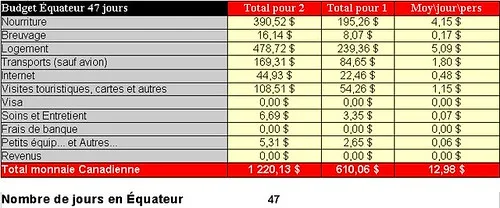
- List each debt name, balance, minimum payment, and due date
- Sort the rows from smallest to largest balance
- Add a column for your extra snowball payment
- Update the balance every time you pay
- Colour or cross out each debt as it hits zero
- Track a running total of debt paid off so far
Seeing the numbers shrink on paper is powerful. Many people keep their tracker on the fridge or as a phone wallpaper so they see progress every single day.
Common Mistakes
When to be careful
The most common mistake is taking on new debt while paying off old debt. If you keep swiping the credit card, the snowball never melts. Pause new borrowing until you are debt free.
Watch out for these other slip-ups:
- Skipping a budget, so you never know where the extra money is.
- Paying extra on several debts at once instead of focusing on one.
- Forgetting the minimums on the other debts and getting hit with late fees.
- Giving up after one hard month instead of adjusting and continuing.
Your Action Plan
You can start the snowball today. Pick up a pen, list your debts, and sort them smallest to largest.
Get practical budgeting tips delivered to your inbox
Calm, beginner-friendly guides for budgeting and saving money, straight to your inbox.
No spam. Educational money-saving tips only. Unsubscribe anytime.
Then find just a little extra money this week and send it to the smallest balance. That first payment is the beginning of real momentum. Keep going, celebrate each win, and trust the process.
Disclaimer: This content is for educational purposes only and does not constitute financial advice. Please consult a qualified financial professional for personalized advice.
Keep exploring
Where to go next if this guide was useful.
About the author
Founder and sole author, BudgetCalm
I started paying real attention to money in 2016 and have run my own budget since 2018. I built BudgetCalm to cover what most finance sites skip — groceries, no-spend months, and making a tight budget actually hold. I've written 100+ guides and built the 6 calculators on this site because I couldn't find free ones that handled real household numbers without a signup wall. I cover budgeting, grocery savings, no-spend challenges and frugal living. I don't cover investing, tax, credit cards, loans, insurance or debt management.
Disclaimer: This content is for educational and informational purposes only and does not constitute financial advice. Always consult a qualified financial professional before making financial decisions.
Get practical budgeting tips delivered to your inbox
Calm, beginner-friendly guides for budgeting and saving money, straight to your inbox.
No spam. Educational money-saving tips only. Unsubscribe anytime.