The 30-Day No-Spend Challenge: Rules, and What It Actually Saves
The rules of a 30-day no-spend challenge, an honest breakdown of where the $500 figure comes from, and 50 free activity ideas to keep you on track.

Written by Ali Usman
Updated September 4, 20268 min read
Available in: United States
How to read this guide
- Who this is for
- The rules of a 30-day no-spend challenge, an honest breakdown of where the $500 figure comes from, and 50 free activity ideas to keep you on track.
- Country / market
- United States (USD)
- Last substantive update
- Research type
- Calculation and desk research
- Sources checked
- Citations are placed beside the claims they support
- Key assumptions
- Worked amounts apply to the market shown and remain examples, not promised savings.
On this page
- What is a No-Spend Challenge?
- The Rules (what you can and can't buy)
- Where the $500 Comes From
- Setting Your Own Rules
- 50 Free Activity Ideas to Replace Spending
- At home
- Outdoors and free in your city
- With friends and family
- Learn and grow
- Self-care and reset
- Staying on Track for 30 Days
- What to Do After the Challenge
- Conclusion
A 30-day no-spend challenge is a simple way to pause your extra spending, notice your habits, and see what was leaking. This guide gives you the rules, an honest look at what it can save, and 50 free activity ideas.
The short answer
A no-spend month means paying for needs only — rent, groceries, bills, transport, medicine — and pausing everything else for thirty days.
What it saves depends entirely on what you were spending. $500 is reachable for someone with a daily coffee habit, two weekly takeout orders and a few unused subscriptions. Someone who already cooks at home and has no subscriptions might save $80, and that is a perfectly good result. The worked example below shows how the $500 figure is built so you can check it against your own habits rather than taking it on faith.
Available in: United States
What is a No-Spend Challenge?
A no-spend challenge is a short period, usually 30 days, where you only pay for the things you truly need and skip everything that counts as a "want." You still pay rent, buy groceries, and keep the lights on. What you pause are the extras: takeout coffee, impulse online orders, new clothes you don't need, and that random snack at the checkout counter.
Think of it as a gentle reset, not a punishment. The goal isn't to suffer for a month. It's to break the autopilot habit of spending without thinking, so you can see where your money was quietly leaking away.
If you're brand new to this idea, the friendly walkthrough in how to start a no-spend challenge is a great companion to this post.
The Rules (what you can and can't buy)
The magic of a no-spend challenge is having clear rules written down before you start. When the line between "need" and "want" is fuzzy, it's easy to talk yourself into anything. So decide your rules first, then follow them.
Here's a simple starting framework you can adjust to fit your life:
Simple checklist
- YES: Rent, utilities, and loan or bill payments
- YES: Groceries and basic household essentials like soap
- YES: Fuel or transport to get to work or school
- YES: Genuine medical and health needs
- NO: Takeout, coffee shops, and food delivery
- NO: New clothes, gadgets, and home decor you do not need
- NO: Subscriptions you can pause for a month
- NO: Impulse buys, both online and at the till
The point is not to argue over every tiny item. The point is to make your spending intentional. If something isn't on your "YES" list, you simply wait until the challenge is over to decide whether you really want it. Often, the urge passes completely.
Where the $500 Comes From
The $500 figure often attached to this challenge is not a measurement of what people save. It is arithmetic on one specific set of habits, and it only applies to you if those are your habits. Here is the whole calculation, so you can swap in your own numbers:
| Paused for 30 days | Assumption | Monthly total |
|---|---|---|
| Coffee and snacks out | $4 a day, 5 days a week, 4 weeks | $80 |
| Takeout and delivery | 2 orders a week at $20, 4 weeks | $160 |
| Impulse online orders | 2 orders you would have placed | $100 |
| Unused subscriptions | 3 services at about $13 | $40 |
| Paid entertainment | 2 outings at $60 | $120 |
| Illustrative total | $500 |
Every row is an assumption, not a finding. If you do not buy coffee out, your ceiling drops by $80 before you start. If you order delivery four times a week rather than two, it rises by $160.
The honest version: run this table with your own last month's statement. Whatever number you get is your real target, and it is more useful than ours. If you want a longer, slower savings game after this, the 52-week money challenge to save $1,378 is a good next step.
Worked example
Consider an office worker whose daily tea-and-snack run costs around $3, who also orders food twice a week and picks up small things online without thinking. Across a 30-day no-spend month — tea from home, simple cooked meals, two subscriptions paused — that comes to roughly $180 moved straight into an emergency fund. The hardest part is almost always the first week.
Setting Your Own Rules
No two budgets are the same, so your challenge should fit your real life. A parent with young kids has different needs than a student living at home. Before you start, sit down for ten minutes and answer these questions:
- What counts as a true need for me this month?
- Are there any fixed commitments, like a birthday gift, I should plan for?
- Will I allow one small "treat budget," for example $20, to avoid feeling trapped?
- How will I handle social invitations without spending?
Writing your own rules makes the challenge yours, and that makes it far easier to stick with. Be honest but kind to yourself. A challenge you can actually finish beats a perfect one you quit on day three.
When to be careful
Do not cut spending on essentials like medicine, safe food, or your children's basic needs to hit a savings number. A no-spend challenge is about removing extras, never about going without things that keep you healthy and safe. If money is very tight, aim for a smaller goal that feels realistic.
50 Free Activity Ideas to Replace Spending
Boredom is the number one reason people break a no-spend challenge. So fill your time with free fun instead. Here are 50 ideas, grouped to help you pick quickly.
At home
- Have a movie night with what you already own
- Cook a new recipe from pantry items
- Do a deep declutter of one room
- Start a free workout video
- Read a book you already have
- Try a home spa night with basics
- Bake bread or simple snacks
- Reorganize your wardrobe
- Write in a journal
- Have an at-home game night
Outdoors and free in your city
- Walk in a local park
- Visit a free museum day
- Have a picnic with home food
- Go for a bike ride
- Watch the sunrise or sunset
- Explore a neighborhood on foot
- Visit a free library event
- Feed birds or stargaze
- Take photos around town
- Find a free community festival
With friends and family
- Host a potluck where everyone brings something
- Plan a board game evening
- Call an old friend for a long chat
- Do a clothing swap
- Have a free skill-share night
- Volunteer together
- Start a walking group
- Cook a meal together
- Plan a free game tournament
- Watch a match at home
Learn and grow
- Take a free online course
- Learn a few words of a new language
- Practice an instrument you own
- Watch free tutorials on a hobby
- Start a no-cost side project
- Read finance blogs and budget
- Practice cooking one dish well
- Sketch or paint with what you have
- Write a short story
- Learn basic home repairs
Self-care and reset
- Try free meditation videos
- Stretch or do yoga
- Take a long, slow walk
- Plan next month's budget
- Make a vision board from old magazines
- Sort and back up your photos
- Write a gratitude list
- Tidy your phone and inbox
- Take a relaxing nap
- Plan free weekend activities
For more inspiration on weekends specifically, the ideas in no-spend weekend ideas pair perfectly with this list.
Staying on Track for 30 Days
The first week is the hardest because your old habits are still strong. After that, it gets surprisingly easy. A few simple supports make a big difference:
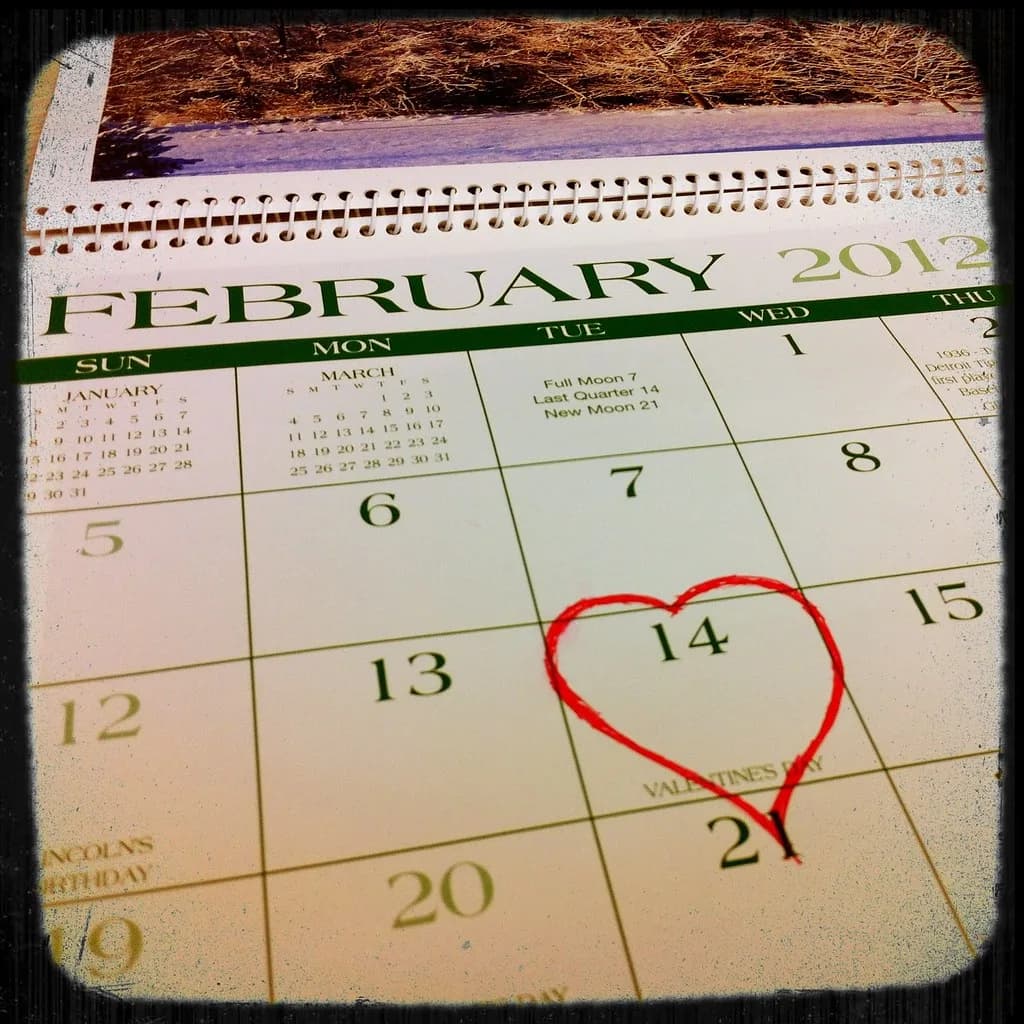
- Track it daily. Mark each no-spend day on a calendar or a printable tracker. Seeing the streak grow is motivating.
- Remove temptation. Unsubscribe from sale emails and remove saved cards from shopping apps.
- Find a buddy. Doing the challenge with a friend or family member keeps you both honest.
- Plan your meals. Most overspending happens around food, so a simple weekly meal plan protects you.
- Forgive small slips. If you slip one day, don't quit. Just start fresh the next morning.
What works well:
- Builds awareness of where your money really goes
- Can save hundreds in a single month
- Helps break impulse-spending habits
- Requires no special tools or apps
What to keep in mind:
- The first week can feel restrictive
- Needs planning for social events
- Not ideal for cutting true essentials
- Savings amount varies by person
What to Do After the Challenge
Finishing the challenge is a real win, so take a moment to celebrate, ideally for free. Then make your effort count. Move every dollar you saved somewhere it won't be quietly spent again, like a separate savings account or your emergency fund.
Next, look back honestly. Which "wants" did you not miss at all? Those are easy permanent cuts. Which ones did you genuinely miss? Keep a small budget for those guilt-free. One month of paying attention can change how you shop afterwards — that is the point of the exercise. If you caught the savings bug and want a bigger sprint, the $1,000 in 30 days challenge raises the stakes in a structured way.
Conclusion
A 30-day no-spend challenge is one of the simplest ways to see your own habits clearly. You don't need a high income or fancy tools — just clear rules and a list of free things to do. Whether you save $50 or the full $500, you'll walk away knowing where your money was going. Start today by writing your YES and NO lists.
How we evaluated these options
BudgetCalm evaluated publicly available product information, pricing, features, availability, and official documentation. We did not test every product hands-on, and we say so rather than implying otherwise.
What we compared
- Every row of the savings table states the assumption it rests on
- Each row recomputed from its own unit cost and frequency
- The table is labelled as illustrative rather than measured
No survey or measurement sits behind the $500 figure — it is the sum of five stated assumptions about one hypothetical household's habits, shown in full so a reader can substitute their own. An earlier version of this page asserted that 'many people are shocked to find they were spending $300 to $500 a month on small, forgettable purchases'; there was no source for that, and it has been removed rather than sourced after the fact.
This comparison was last worked through in September 2026.
Keep exploring
Where to go next if this guide was useful.
About the author
Founder and sole author, BudgetCalm
I started paying real attention to money in 2016 and have run my own budget since 2018. I built BudgetCalm to cover what most finance sites skip — groceries, no-spend months, and making a tight budget actually hold. I've written 100+ guides and built the 6 calculators on this site because I couldn't find free ones that handled real household numbers without a signup wall. I cover budgeting, grocery savings, no-spend challenges and frugal living. I don't cover investing, tax, credit cards, loans, insurance or debt management.
Disclaimer: This content is for educational and informational purposes only and does not constitute financial advice. Always consult a qualified financial professional before making financial decisions.
Get practical budgeting tips delivered to your inbox
Calm, beginner-friendly guides for budgeting and saving money, straight to your inbox.
No spam. Educational money-saving tips only. Unsubscribe anytime.